
Health news
Fiji declares national HIV emergency as case numbers surge
The Fijian government has officially declared a national HIV emergency following a dramatic surge in reported cases across the Pacific island nation. According to data released by the Ministry of Health and Medical Services, approximately one in every sixty adults is now living with the virus, a staggering increase from the rate of one in 167 recorded just five years ago. Health Minister Dr. Antonio Lalabalavu emphasized that the situation has escalated beyond what standard outbreak responses can handle, stating that there can be no more business as usual given the severity of the current epidemic.
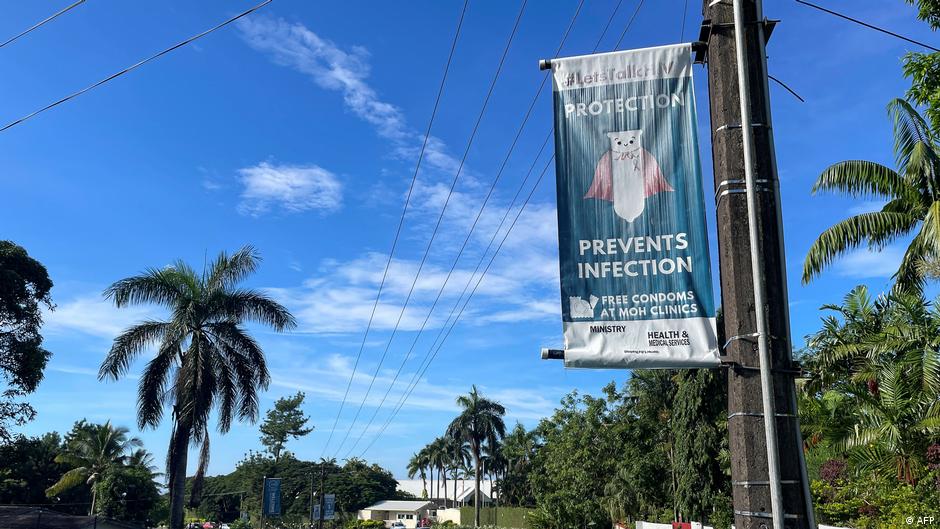
While some of the spike in figures is attributed to expanded testing initiatives launched after an initial outbreak declaration in early 2025, the sheer volume of new diagnoses remains alarming. In 2025 alone, over two thousand people were newly diagnosed with HIV, representing a sixteenfold increase compared to numbers seen in 2019. To combat this trend, the government is offering comprehensive free services including rapid testing, preventative medications for high risk individuals, clean needles for intravenous drug users, and lifelong treatment for those who test positive.
International health organizations have voiced their support for Fiji’s aggressive stance against the virus. Winnie Byanyima, executive director of UNAIDS, noted that Fiji is currently experiencing one of the sharpest rises in new infections globally and warned that this crisis serves as a grim reminder that AIDS is far from eradicated worldwide. Data indicates that while over half of these transmissions are sexual in nature, about forty two percent are linked to injecting drug use.
Looking toward long term stability, Fiji is seeking international partnerships to bolster its healthcare infrastructure. The Ministry recently met with representatives from the United States embassy in Suva to discuss technical assistance through a program called Strides. This initiative aims to modernize laboratory capacity and improve disease surveillance so that Fiji can better track and manage future outbreaks before they reach such critical levels.
Related Stories

Eat this much whole grain per day to improve your health, study suggests
Updating your diet might be simpler than you think, provided you make room for a few more scoops…
Researchers swap in human brain cells for a mouse’s cortex
Researchers at Stanford University have achieved a provocative milestone in neuroscience by replacing a significant portion of a…
Teen’s brain-eating amoeba infection likely linked to water feature
State health officials believe a decorative water feature at a community center in Durham County is the likely…
Fiji declares HIV a national crisis, 1 in 60 adults carry it
Fiji has officially declared HIV a national health crisis following a staggering surge in infections that has seen…