
Health Care
Health benefits platform Thatch reaches $1B valuation as healthcare costs surge
Health benefits platform Thatch has officially entered unicorn territory, reaching a valuation of one billion dollars following a fresh injection of 108 million dollars in funding. Backed by heavy hitters like Andreessen Horowitz, Index Ventures, General Catalyst, and The General Partnership, the company has seen its value skyrocket from just 410 million dollars less than two years ago. While many current tech valuations are driven purely by artificial intelligence hype, Thatch’s growth is rooted in something far more tangible: the skyrocketing cost of American healthcare.
According to co-founder and CEO Chris Ellis, the company’s annual recurring revenue has jumped roughly sevenfold as businesses struggle to manage medical expenses. With projections suggesting that employer healthcare costs could see their largest spike since 2003 by 2027, companies are searching for alternatives to traditional group plans. Simultaneously, employees are demanding access to modern treatments and weight loss medications like Ozempic and Wegovy, which standard corporate policies frequently exclude.
To solve this disconnect, Thatch leverages Individual Coverage Health Reimbursement Arrangements, now rebranded as CHOICE. Rather than forcing every staff member into a single provider negotiated by the boss, employers set a fixed monthly budget for each worker. Employees then use these pre tax funds to shop for their own health, dental, and vision plans within the Thatch marketplace. This shift puts power back in the hands of the consumer; healthier workers can pick leaner plans and spend remaining funds on wellness gadgets or specialized prescriptions via a Thatch debit card, while those with chronic conditions can pay extra for premium coverage.
Ellis argues that this model creates a necessary competitive environment where insurance providers must actually perform well to retain customers rather than relying on locked-in corporate contracts. By removing the need for grueling annual negotiations with massive carriers like United Healthcare or Anthem, employers gain predictable spending patterns without sacrificing quality of care. Though competitors like Take Command and Remodel Health are also vying for space in this niche regulatory landscape, Thatch is betting that the sheer scale of rising costs will push most companies toward this individualized approach.
Related Stories
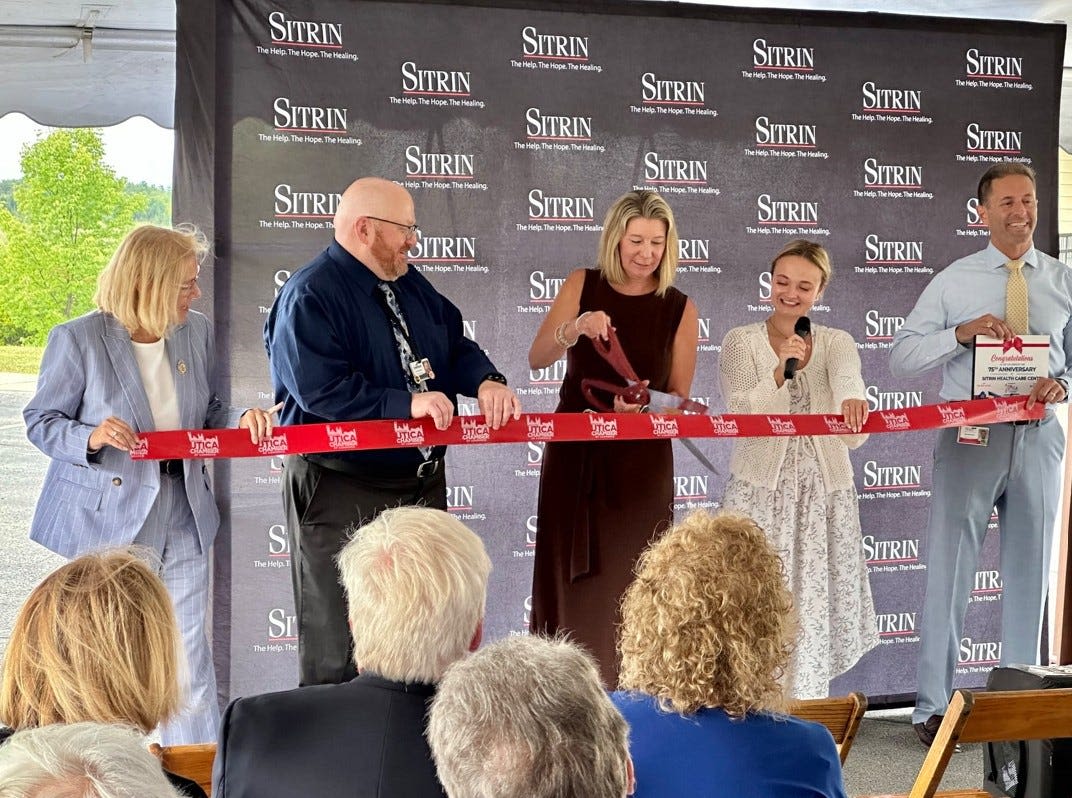
Sitrin Health Care Center cuts ribbon on 75 years serving the Mohawk Valley
The Sitrin Health Care Center in New Hartford recently marked a historic milestone, celebrating 75 years of dedicated…

More job cuts by the University of Vermont Health Network to improve sustainability
The University of Vermont Health Network is facing another round of workforce reductions as it struggles to stabilize…

House Democrats may use oversight powers to plan for health care overhaul
House Democrats are preparing a strategic offensive centered on aggressive oversight should they reclaim control of either the…

Unearthed audio exposes stunning El-Sayed admission about his healthcare pitch
A newly unearthed audio recording from over a decade ago is casting a shadow over Abdul El-Sayed’s campaign…